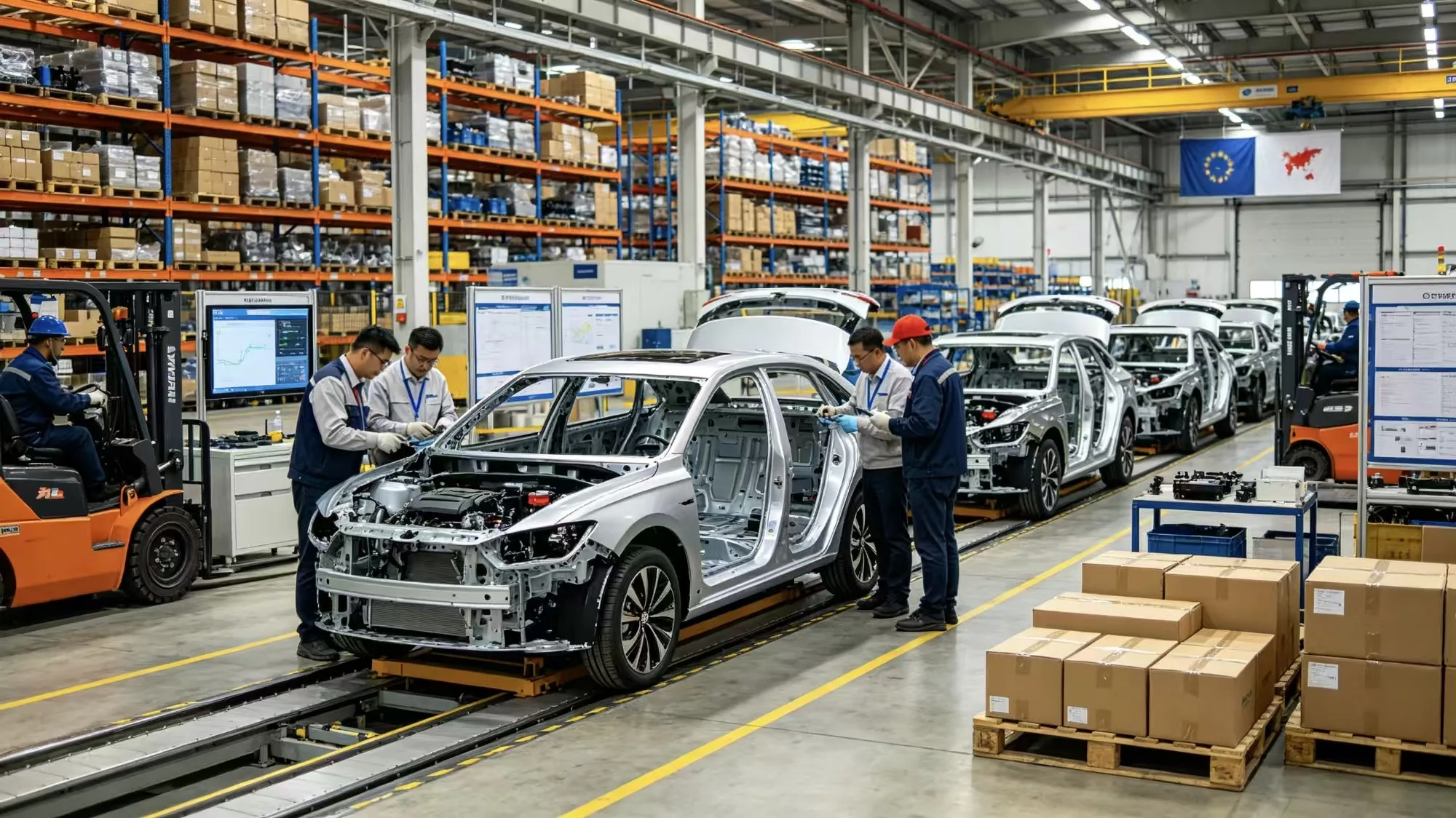
Automotive Global Supply Chain | Overseas Manufacturing | Market Strategy
1. From Vehicle Exports to Global Supply Chain Deployment
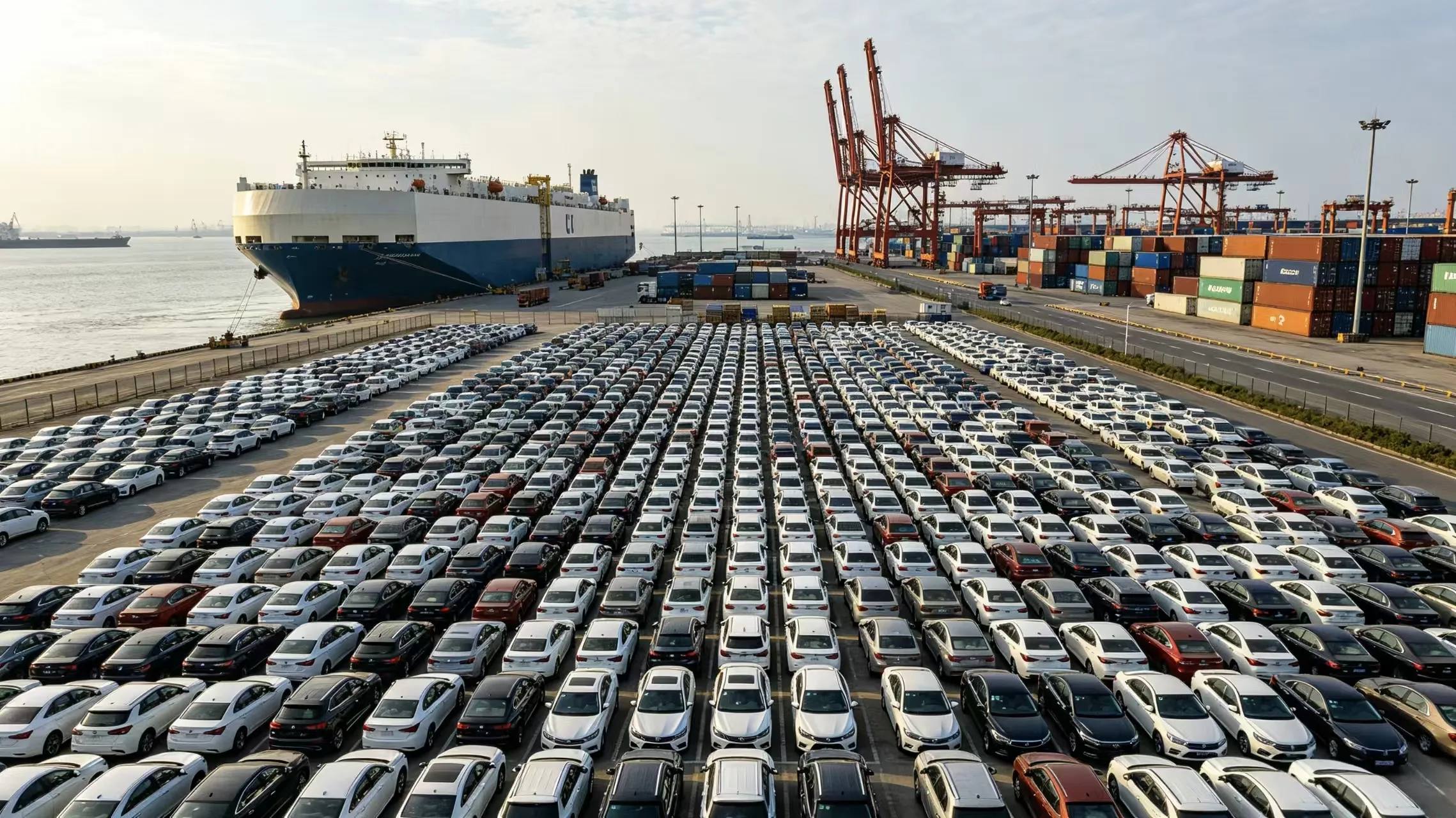
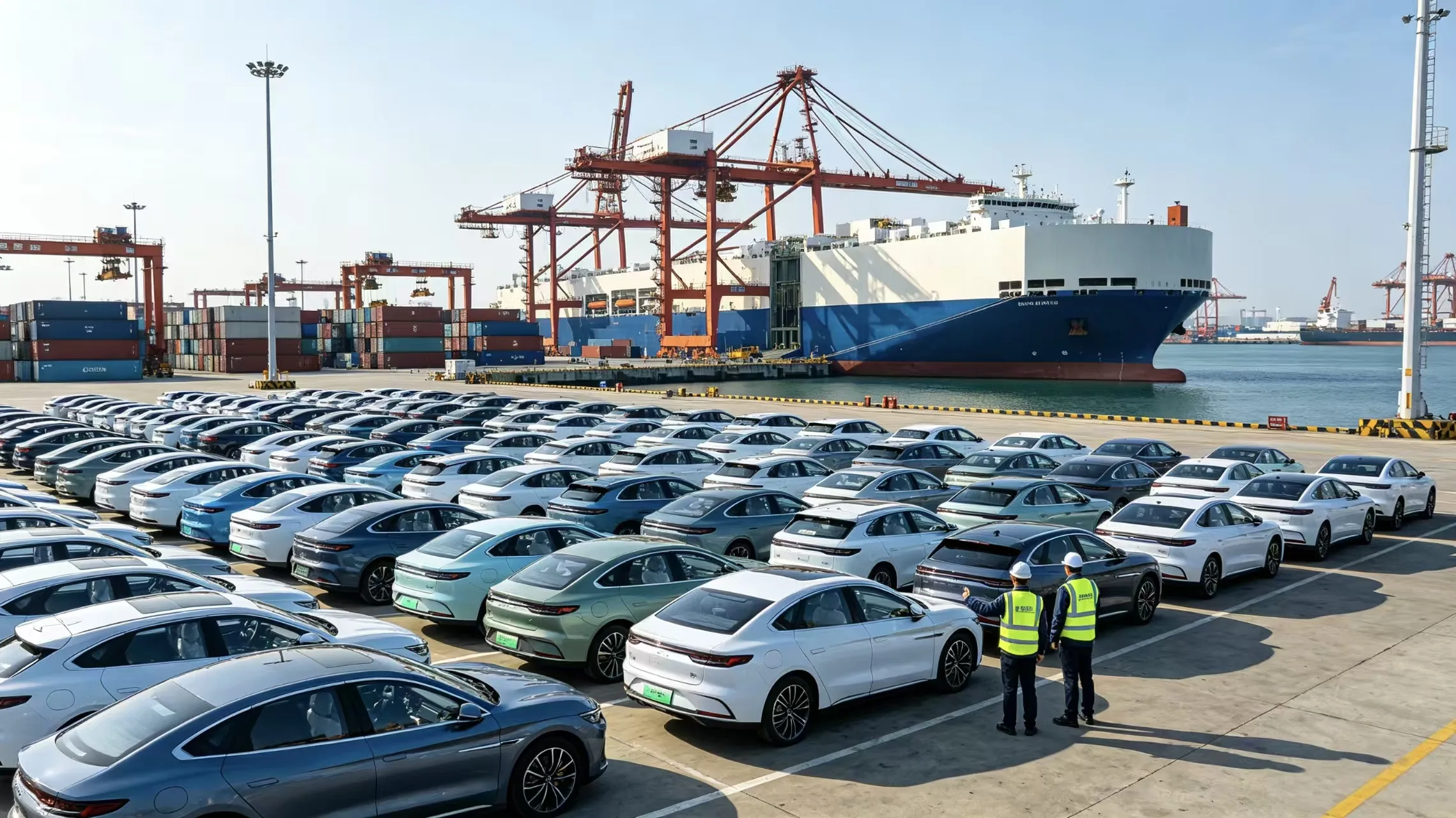
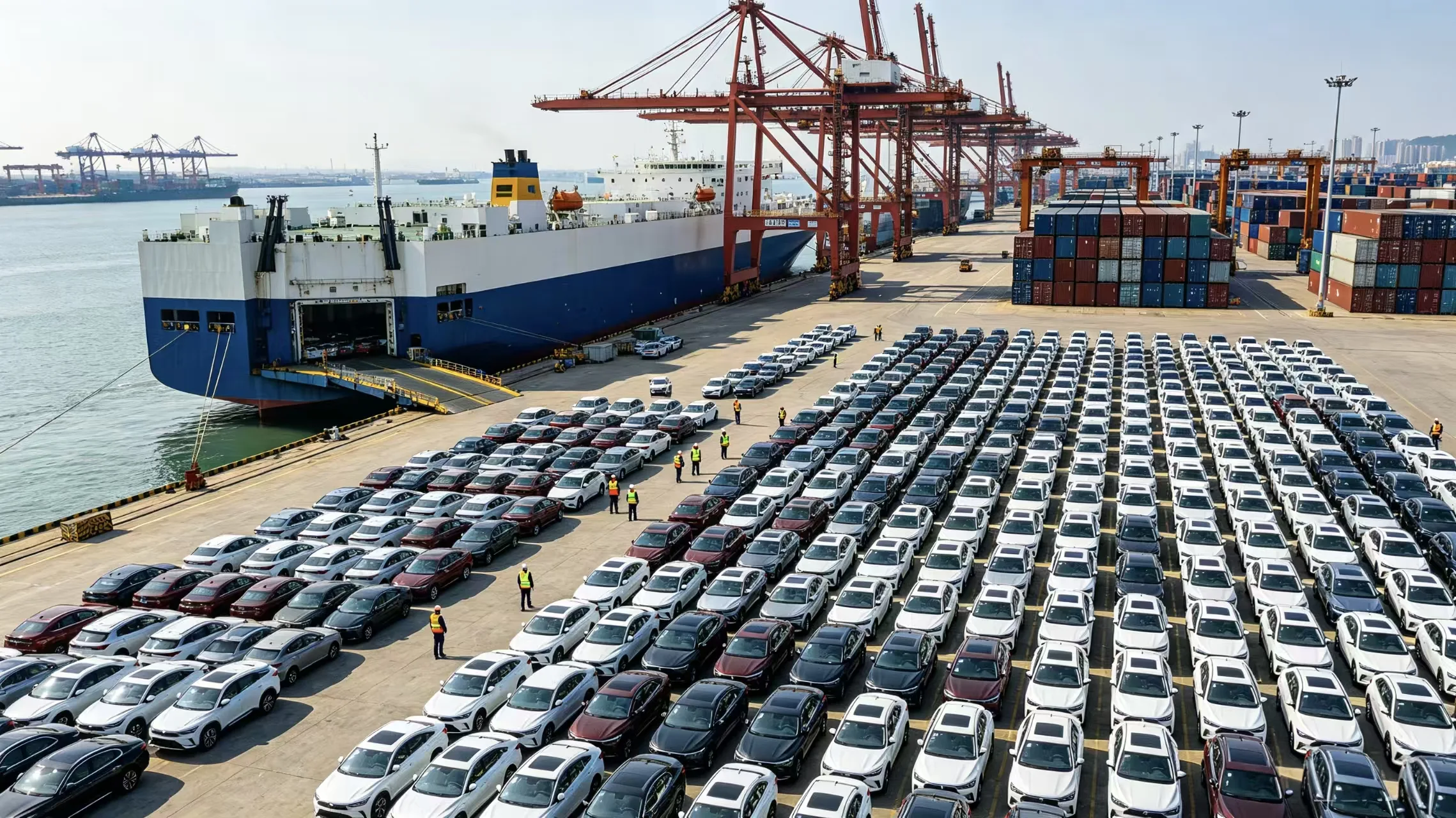
China's automobile industry has entered a transformative new phase. If the past decade of "Going Global 1.0" was defined by exporting complete vehicles via ro-ro ships to markets worldwide, the era beginning in 2026 — "Going Global 2.0" — is characterized by full-chain ecosystem localization through overseas manufacturing.
In the first half of 2026 alone, China's automobile exports exceeded 4 million units, a year-on-year increase of 72%, with new energy vehicles accounting for 57% of monthly sales. Behind this impressive volume lies a deeper strategic shift: Chinese automakers are no longer merely selling cars abroad — they are building complete manufacturing, supply chain, logistics, and R&D ecosystems that anchor long-term growth in global markets.
Industry estimates indicate that by 2026, Chinese automakers will have established overseas production capacity of approximately 3 million vehicles, with actual annual output exceeding 2 million units. As of mid-2026, over 100 overseas factories led by Chinese automakers have commenced production.
Strategic Shift: The move from exporting vehicles to building local supply chains is not merely a response to tariff barriers — it is a fundamental transformation that enables Chinese automakers to reduce costs, shorten delivery times, create local jobs, and build enduring brand trust in global markets.
🏭 2. A Global Manufacturing Network Spanning Five Continents
Chinese automakers have established manufacturing footprints across Europe, Southeast Asia, Latin America, Africa, and the Middle East, creating a multi-regional production cluster that mirrors the global distribution of demand.
Europe: The High-End Battleground
Europe represents both the most challenging and most strategically important market. Facing a 35.3% EU tariff on Chinese-built vehicles, automakers are responding with localized production:
- BYD is constructing a plant in Szeged, Hungary, scheduled to commence production in Q4 2026, with initial capacity of 150,000 units annually and a long-term target of 300,000 units.
- XPeng began production at Magna Steyr's facility in Graz, Austria, in September 2025, manufacturing the G6 and G9 models for the European market.
- GAC Aion followed suit at the same Graz facility in November 2025.
- Leapmotor, through its joint venture with Stellantis, opened a battery assembly workshop in Mallén, Spain, with planned annual capacity of approximately 65,000 battery packs.
- Chery activated a new production line at its EBRO factory in the Barcelona Free Trade Zone, Spain.
- Geely Holding controls multiple European plants, including Torslanda (300,000 units/year) and Skövde in Sweden, Ghent in Belgium (270,000 units/year), and LEVC and Lotus facilities in the UK. Volvo's new EV plant in Košice, Slovakia (250,000 units/year) is currently under construction.
Southeast Asia: The Regional Production Hub
Southeast Asia has emerged as the primary regional manufacturing base for Chinese automakers, benefiting from favorable trade agreements and proximity to growing consumer markets:
- Chery's largest ASEAN factory in Yên Bái Province, Vietnam, is scheduled to commence production in 2026, with planned capacity of 200,000 units covering gasoline, hybrid, and pure electric product lines.
- Great Wall Motor's wholly-owned plant in Rayong, Thailand, began production in 2024 with annual capacity of 135,000 vehicles.
- XPeng's third global localized production base in Malacca, Malaysia, officially commenced production in June 2026, with the first G6 models rolling off the assembly line.
- GAC Group has established KD factories in Thailand and Indonesia, with global operations covering 102 countries and regions.
Latin America: The Fast-Growing Frontier
Latin America has become one of the fastest-growing markets for Chinese vehicles, prompting significant manufacturing investment:
- BYD's Brazilian plant has achieved annual capacity of 300,000 units, with plans to ensure 50% local component sourcing by the end of 2026. In May and June 2026, BYD's monthly sales in Brazil exceeded 20,000 units consecutively, with a nearly 45% market share in the new energy segment.
- Great Wall Motor opened its first Brazilian factory in São Paulo in August 2025 (acquired from Daimler), producing the Haval H6, H9, and Power P30 pickup with initial annual capacity of 50,000 units. Its second Brazilian factory in Espírito Santo State was launched in June 2026, with 1.7 million square meters of land granted by the state government, expected to commence production in 2029 with annual capacity of 200,000 units.
- Chery operates two CKD factories in Brazil with combined annual capacity of 236,000 units.
Africa and the Middle East: Emerging Production Bases
- Chery completed the acquisition of the Rosslyn plant in South Africa, planning to develop it into a major manufacturing hub for the African market. The company also maintains four production bases in Russia.
- Great Wall Motor utilizes joint ventures and KD assembly across Pakistan, Uzbekistan, and Kazakhstan to localize production.
- Chery's OMODA and JAECOO brands opened the largest auto parts distribution center in the Middle East at Jebel Ali Free Zone, Dubai, serving as a regional hub for the entire Middle East and North Africa.
🔧 3. Supply Chain Localization: From KD Assembly to Full Ecosystem
A critical dimension of global supply chain building is the progressive localization of components and subsystems. Chinese automakers are employing a structured approach that evolves from KD (Knock-Down) assembly to full local manufacturing.
The KD Model: A Stepping Stone to Localization
The KD model — exporting vehicles in component form for assembly in the target market — has become the core strategy for automakers to deepen overseas presence and mitigate trade risks:
- Great Wall Motor's CKD exports accounted for 43.3% of its total overseas shipments in May 2026.
- SAIC-GM-Wuling achieved a CKD export ratio of 40.9%.
- Chongqing exported 62,500 sets of KD components through its comprehensive bonded zone in 2025.
- Geely operates KD production bases in Belarus, while Chery has established similar facilities in Spain and Brazil.
This model offers multiple advantages: reduced tariff exposure, shorter delivery lead times, local job creation, and a pathway to progressively increase local content ratios.
Battery Localization: Powering the EV Ecosystem
As new energy vehicles dominate export growth, localized battery production has become a strategic priority:
- CATL is constructing a 100 GWh battery factory in Hungary — the largest in Europe — alongside its existing facility in Thuringia, Germany.
- BYD integrates battery production within its overseas vehicle plants, ensuring vertical integration from cell to vehicle.
- Leapmotor-Stellantis JV's Spanish battery assembly workshop represents a model of joint venture-based battery localization.
- Chinese battery, power semiconductor, and smart cockpit component suppliers are achieving local supply rates exceeding 90%, with core component procurement costs 20-30% lower than overseas alternatives.
Component Localization Ratios: A Progressive Target
Localization is a gradual process. BYD Brazil exemplifies this approach: stamping, welding, and painting workshops are nearing completion, with annual capacity expected to increase from 150,000 units in 2026 to 300,000 units, and a target of 50% locally manufactured or sourced components by the end of 2026.
🚢 4. Autonomous Logistics: Controlling the Flow from Factory to Port
A robust global supply chain requires more than factories — it demands control over the logistics arteries that connect production to markets. Chinese automakers have made significant investments in autonomous shipping and port infrastructure.
Self-Built Ro-Ro Fleet: BYD's Logistics Revolution
BYD has emerged as a pioneer in autonomous vehicle logistics:
- The company now operates 8 self-owned ro-ro vessels, all fully deployed, with annual capacity exceeding 1 million vehicles.
- Per-vehicle shipping costs have been reduced by approximately one-third, with annual logistics cost savings exceeding 5 billion RMB.
- Delivery cycles have been shortened from 60 days to 35 days.
- Transportation risks have been reduced by over 60%.
- The "Shenzhen" 号 ro-ro ship, departing from the Small Mo International Logistics Port in Shenzhen, has delivered thousands of new energy vehicles to ports including Southampton, UK.
Port and Factory Integration
The "port-front, factory-behind" model at BYD's Shenshan base represents a new paradigm in manufacturing-logistics integration, where vehicles move directly from production lines to waiting vessels with minimal intermediate handling.
Specialized Port Infrastructure
Chinese ports have developed specialized ro-ro vehicle handling terminals, with more than half of China's exported vehicles passing through these dedicated facilities. The "Thousand-Li Light Boat" lithium battery water transport 专线 has reduced costs by 20% compared to road transport, providing efficient and low-cost supply chain support for vehicle exports.
🔬 5. R&D and Technology Output: From Products to Knowledge Transfer
The most mature phase of global supply chain development is the localization of research and development. Chinese automakers are increasingly establishing overseas R&D centers and transferring technology to local partners.
- Chery has established a smart diagnostic cloud platform in Cochabamba, Bolivia, enabling real-time transmission of fault codes to its Wuhu headquarters AI analysis system — demonstrating how digital R&D infrastructure extends globally.
- Geely leverages its European R&D network (Volvo, Lotus, LEVC) to develop vehicles specifically for global markets, creating a two-way technology flow between China and Europe.
- BYD has established battery R&D and remanufacturing centers overseas, including South America's first lithium iron phosphate battery remanufacturing center in Oruro, Bolivia.
- Local technician training programs and certification systems ensure that maintenance and repair capabilities keep pace with vehicle deployment.
🏆 6. Benchmark Cases: Four Models of Global Supply Chain Building
Case 1: BYD — The Vertical Integration Model
BYD's approach exemplifies full vertical integration across the supply chain:
- Self-built ro-ro fleet (8 vessels, 1M+ annual capacity)
- Overseas vehicle plants in Hungary, Brazil, Thailand, and more
- Integrated battery production within vehicle plants
- "Port-front, factory-behind" logistics model
- 2025 overseas sales reached 1,049,600 units, with 2026 overseas target of 1.3 million units
- Expected overseas annual capacity exceeding 800,000 units by 2028
Case 2: Chery — The KD Network Model
Chery has built the most extensive overseas KD and full-process factory matrix:
- Four production bases in Russia
- Two CKD factories in Brazil (236,000 units combined capacity)
- European industrial base in Spain
- Operations in Iran, Thailand, and Vietnam
- Vietnam factory (ASEAN's largest, 200,000 units capacity)
- Acquisition of South Africa's Rosslyn plant
- 22 consecutive years as China's top passenger vehicle exporter
Case 3: Geely — The Acquisition and Integration Model
Geely has mastered the strategy of acquiring and integrating existing global manufacturing assets:
- Sweden: Torslanda (300,000 units/year) + Skövde
- Belgium: Ghent (270,000 units/year)
- UK: LEVC + Lotus facilities
- Slovakia: Košice EV plant (250,000 units/year, under construction)
- Joint venture with Stellantis for Leapmotor's European production (Spain)
- Renault Korea equity expansion as a forward base for the Korean market
Case 4: Great Wall Motor — The Emerging Market Clusters Model
Great Wall Motor has focused on building production clusters in emerging markets:
- Thailand: Rayong wholly-owned plant (135,000 units/year, from 2024)
- Brazil: São Paulo plant (50,000 units initial, from 2025) + Espírito Santo second plant (200,000 units, from 2029)
- Bulgaria: Lovech mixed-production plant
- KD assembly across Pakistan, Indonesia, Vietnam, Malaysia, Uzbekistan, and Kazakhstan
- CKD exports accounting for 43.3% of total overseas shipments
🤝 7. What This Means for Global Partners
For overseas distributors, dealers, fleet operators, and local business partners, the development of Chinese automakers' global supply chains delivers tangible and lasting benefits:
For Distributors and Dealers:
- Shorter delivery lead times as local production replaces long-distance shipping
- More stable vehicle pricing insulated from exchange rate fluctuations and tariff changes
- Access to locally produced models tailored to regional market preferences
- Growing local parts availability reducing after-sales wait times
- Stronger brand credibility backed by local manufacturing presence
For Fleet and Commercial Customers:
- Reduced total cost of ownership through localized production efficiencies
- Faster parts delivery minimizing vehicle downtime
- Local warranty and service support networks expanding in parallel with production
- Customized vehicle configurations for regional operational requirements
For Local Economies and Partners:
- Job creation in manufacturing, supply chain, and service sectors
- Technology transfer and skills development through training programs
- Opportunities for local component suppliers to enter global supply chains
- Infrastructure development including ports, roads, and industrial zones
🚀 8. Conclusion: Supply Chains as the Foundation of Sustainable Global Growth
The transformation of Chinese automakers from vehicle exporters to global supply chain builders represents one of the most significant developments in the global automotive industry. By establishing manufacturing facilities, localizing supply chains, controlling logistics, and exporting R&D capabilities, Chinese automakers are creating the infrastructure for sustainable, long-term growth in global markets.
This is not merely a defensive response to trade barriers — it is a proactive strategy that creates value for automakers, partners, and local economies alike. As overseas production capacity expands toward 3 million vehicles annually and localization ratios increase, the global automotive landscape is being reshaped by Chinese supply chains that deliver quality, efficiency, and accessibility to markets worldwide.
The Bottom Line: When partners choose Chinese vehicles, they are not merely selecting a product — they are connecting to a global supply chain ecosystem that delivers localized production, reliable logistics, accessible parts, and enduring support for long-term business success.