
Automotive Export | International Certification | Trade Compliance Analysis
🛡️ 1. Certification as the Foundation: Why Compliance Matters in Global Auto Trade
In the rapidly expanding world of China's automotive exports, one factor often determines whether a vehicle successfully reaches a foreign showroom or gets detained at the port: certification. Overseas vehicle certification is not merely a bureaucratic formality — it is the mandatory legal gateway that grants Chinese vehicles access to global markets, ensures compliance with local safety and environmental standards, and builds trust with international buyers and end consumers.
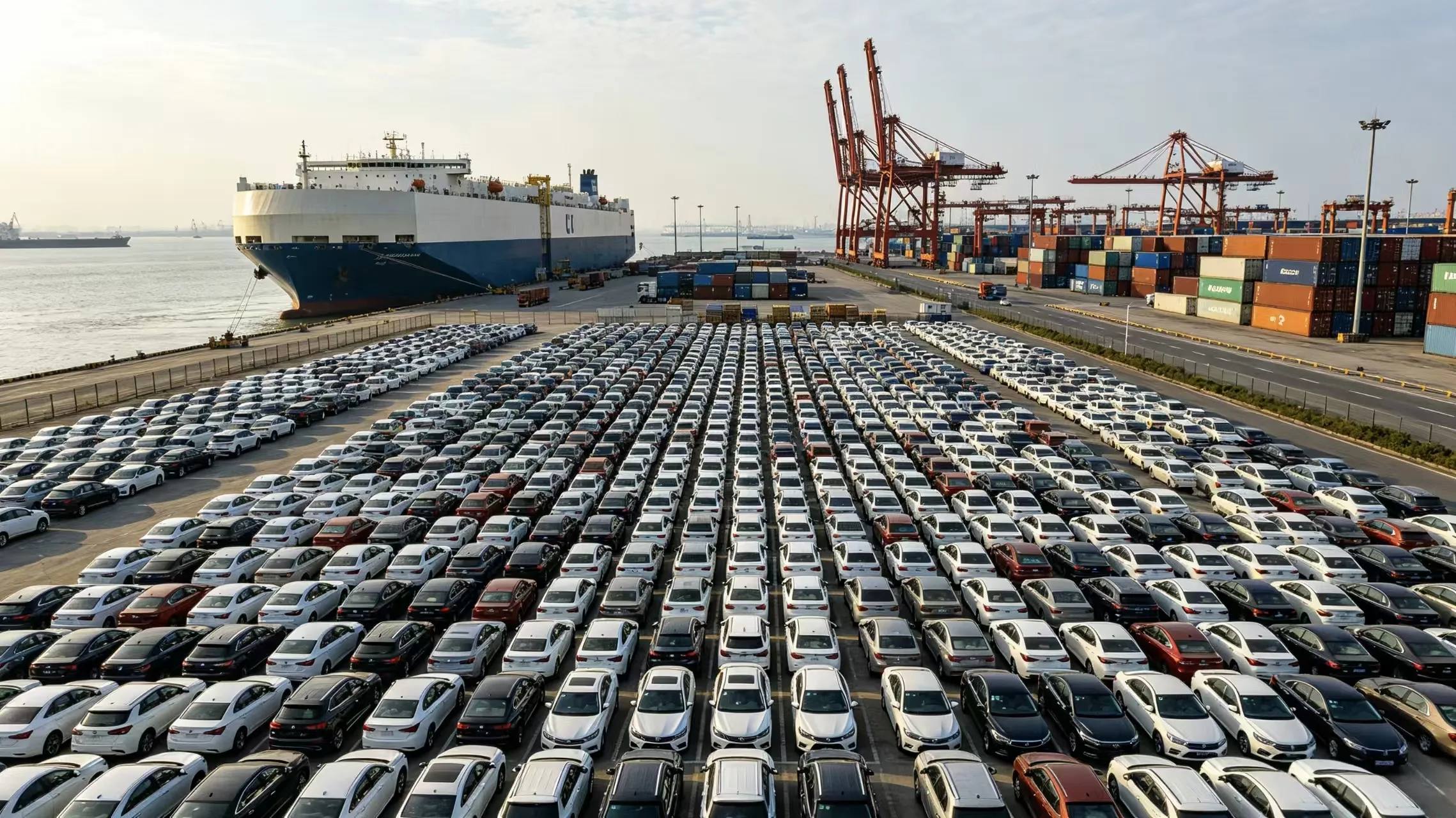
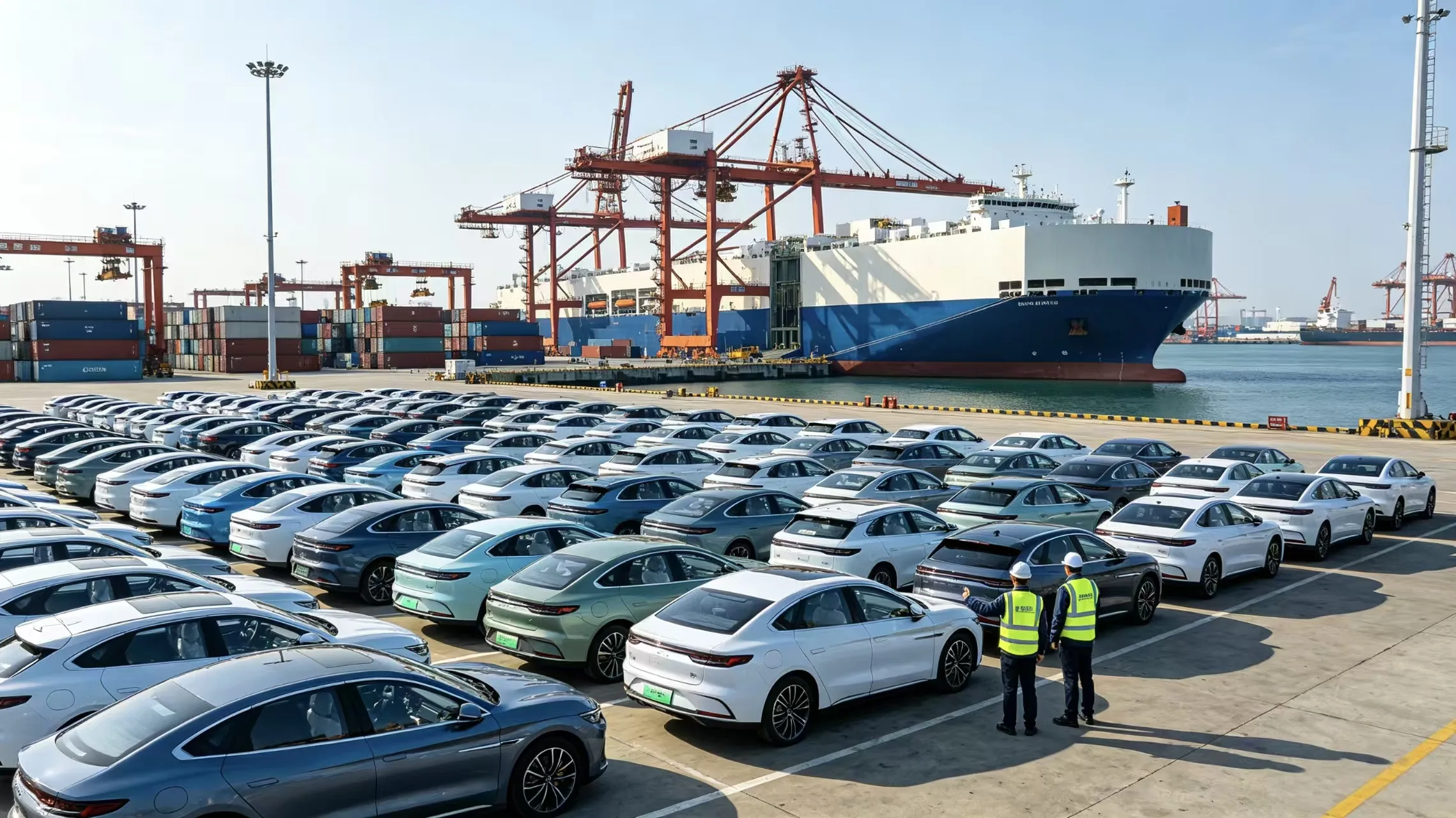
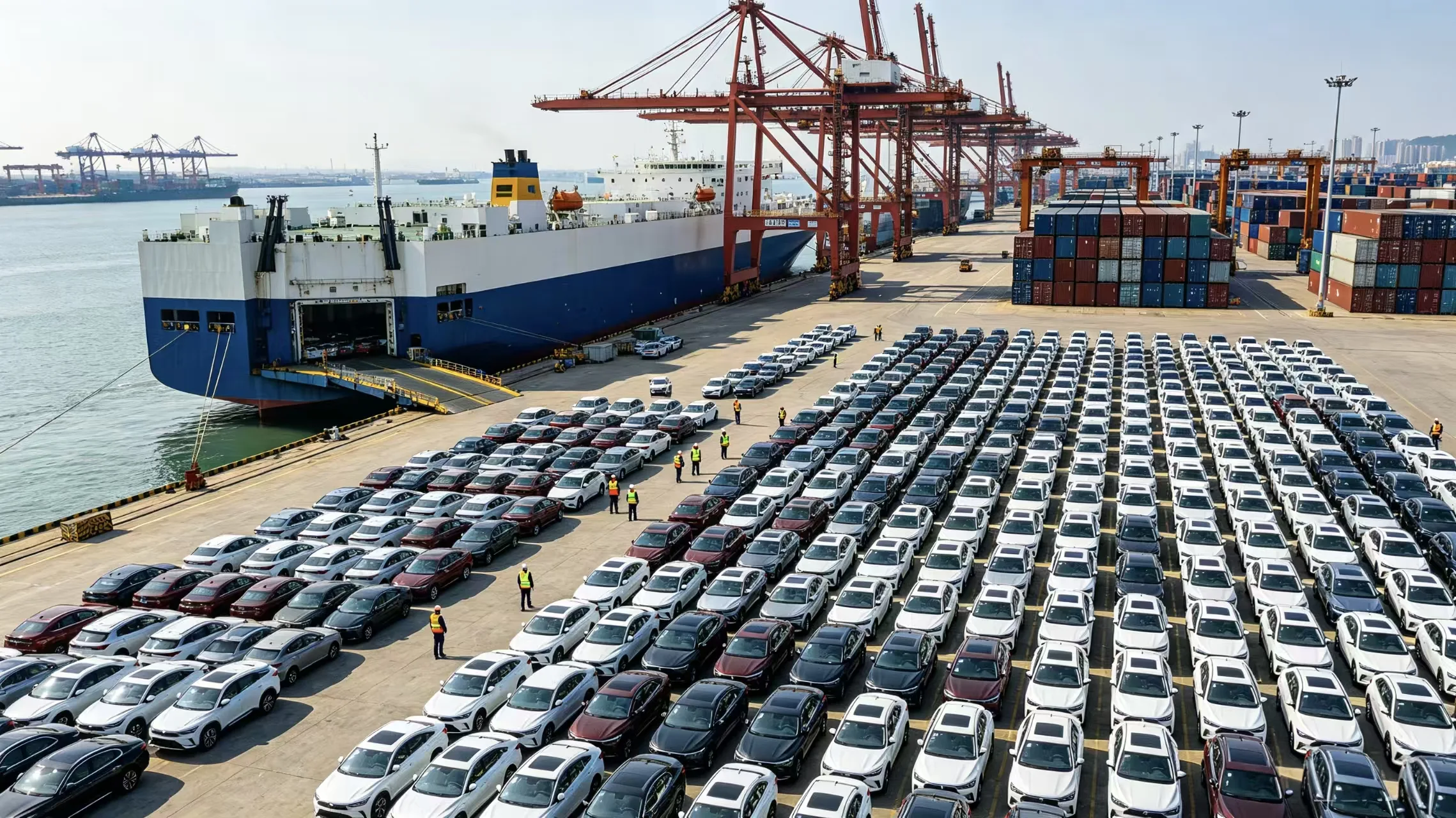
As China's vehicle exports continue to scale new heights — exceeding 1 million units per month for two consecutive months in 2026, with new energy vehicles accounting for over 53% of exports — the importance of certification has grown exponentially. Every vehicle shipped abroad must navigate a complex web of regional and national certification regimes, each with its own technical requirements, testing protocols, and administrative procedures.
For export traders and automakers alike, understanding and mastering these certification systems is not optional — it is the indispensable foundation upon which successful, sustainable overseas automotive business is built.
Core Principle: Certification is the first and most fundamental barrier to market entry. Without the right certificates, even the best vehicle cannot legally be sold, registered, or driven in a destination country.
🇪🇺 2. European Union: WVTA — The Gold Standard of Vehicle Certification
The European Union's Whole Vehicle Type Approval (WVTA) system is widely regarded as one of the most rigorous and respected vehicle certification frameworks in the world.
Overview and Legal Basis
- WVTA is the mandatory market entry certificate for all vehicles sold within the European Union.
- Its core legal framework is Regulation (EU) 2018/858, which fully replaced the older 2007/46/EC framework directive on September 1, 2020.
- The system encompasses more than 70 separate legal requirements, covering everything from crash safety and emissions to electromagnetic compatibility and pedestrian protection.
- WVTA involves designated approval authorities, technical service institutions, and factory audits — a comprehensive process that validates both the vehicle and the manufacturer's production quality systems.
The "One Certification, All of Europe" Advantage
The single greatest advantage of WVTA is its mutual recognition principle: a vehicle type approved in one EU member state can be sold and registered in all 27 EU countries without additional certification. This "one certification, all of Europe" model makes WVTA highly efficient for automakers targeting the European market.
Chinese Automakers' WVTA Achievements
As of early 2026, more than 25 Chinese EV models have secured WVTA certification — a figure that has doubled since 2024, demonstrating the rapid maturation of Chinese vehicle quality and compliance capabilities. Notable achievements include:
- BYD: The Seal, Atto 3, Dolphin, and Han series have all obtained WVTA certification, with several models achieving 5-star Euro NCAP safety ratings.
- NIO: The EL6 and ET7 models have been certified for European sale, with NIO's advanced battery swap technology approved under EU safety frameworks.
- Numerous other Chinese brands, including Geely, Leapmotor, and XPENG, have also obtained WVTA certification for their flagship models.
2026 Regulatory Updates
In 2026, the EU has introduced additional requirements that affect new type approvals:
- Real Driving Emissions (RDE) testing is now mandatory for all new approvals, requiring vehicles to meet emissions standards under real-world driving conditions, not just laboratory tests.
- Existing WVTA certificates issued before 2025 may not cover RDE-compliant engine mapping, requiring re-certification for 2026 deliveries.
🇺🇸 3. United States: Self-Certification with Stringent Oversight
The United States employs a fundamentally different certification model from Europe — a self-certification system where manufacturers declare compliance rather than seeking pre-approval from a government authority. However, this does not mean the standards are lax; the U.S. system combines manufacturer responsibility with rigorous enforcement and severe penalties for non-compliance.
FMVSS — Federal Motor Vehicle Safety Standards
- All imported vehicles and components must comply with the Federal Motor Vehicle Safety Standards (FMVSS), administered by the National Highway Traffic Safety Administration (NHTSA).
- Manufacturers issue a Declaration of Conformity (DoC) attesting that their vehicles meet all applicable FMVSS requirements.
- The U.S. government conducts random testing and audits to verify compliance, with substantial penalties for violations.
EPA — Environmental Protection Agency Certification
- Unlike FMVSS self-certification, EPA certification requires prior government approval — it is a federal mandatory administrative license under the Clean Air Act.
- The EPA regulates complete vehicles, engines, fuel systems, and exhaust-related components that affect tailpipe emissions.
- Products without EPA certification are classified as "prohibited imports" at U.S. customs.
- The EPA certification process typically takes 6-8 months, requiring extensive emissions testing and durability data.
- For new energy vehicles, while there are no tailpipe emissions, vehicles must still comply with EPA requirements regarding greenhouse gas emissions and fuel economy testing.
CARB — California's Stricter Standards
- The California Air Resources Board (CARB) enforces even stricter emissions standards than the federal EPA.
- Vehicles sold in California and several other states that follow CARB standards must meet additional requirements.
- For heavy-duty vehicles, the transition from Tier 4 Final to GHG Phase 2 standards represents a significant compliance challenge in 2026.
🇷🇺 4. Russia & Eurasian Economic Union: OTTC and EAC Certification
As China's largest single vehicle export market, Russia and the broader Eurasian Economic Union (EAEU) operate a distinct certification system centered on the OTTC (Vehicle Type Approval) certificate.
OTTC — The Core Market Entry Document
- OTTC (Одобрение типа транспортного средства, literally "Vehicle Type Approval") is the official market entry certificate issued by Russia's Federal Agency for Technical Regulation and Metrology (Rosstandart).
- It certifies that a specific vehicle model complies with Russian road regulations and can be legally imported, sold, and registered in Russia.
- The legal foundation is the unified technical regulation TR CU 018/2011 "On the Safety of Wheeled Vehicles," applicable to all vehicle categories including passenger cars (M 类), freight vehicles (N 类), and buses (M2/M3 类).
Key Requirements and Process
- Local testing mandatory: All tests must be conducted at accredited laboratories within Russia, using Russian domestic test cycles (including specific emissions testing protocols).
- Language requirements: All documentation must be translated into Russian and certified by the Russian consulate.
- Local representative: A Russian local agent authorization letter is required.
- Factory audits: First-time applicants or high-risk vehicle categories may be subject to manufacturing facility audits.
- Timeline: The testing and certification process typically takes 4-12 weeks.
EAC Certification — The EAEU Customs Pass
- The EAC (Eurasian Conformity) mark serves as the customs clearance document for the entire Eurasian Economic Union (Russia, Kazakhstan, Belarus, Armenia, Kyrgyzstan).
- EAC certification integrates multiple technical regulations, including TR CU 018/2011 for wheeled vehicle safety.
- The OTTC certificate and EAC declaration work together: OTTC confirms technical and environmental compliance (must match VIN and emission standards), while EAC provides the customs clearance framework.
Practical Note for Exporters: OTTC certification is model-specific, not vehicle-specific. One certificate covers all vehicles of the same model type, but any significant configuration change (engine, transmission, battery type) may require a new or amended certificate.
🌍 5. Gulf Cooperation Council: GCC Certification for Extreme Environments
The six Gulf Cooperation Council (GCC) countries — Saudi Arabia, the UAE, Qatar, Kuwait, Oman, and Bahrain — represent a high-value market for Chinese vehicle exports, with certification requirements tailored to the region's unique environmental conditions.
GSO Standards — Beyond European Frameworks
The GCC Standardization Organization (GSO) imposes requirements that go beyond European certification frameworks, specifically designed for the Gulf region's extreme climate:
- Thermal resilience: Vehicles must demonstrate sustained operation at ambient temperatures exceeding 50°C (122°F), with battery thermal management systems validated for continuous performance in extreme heat.
- Sand and dust ingress protection: Electrical systems must achieve IP67-rated sealing, with enhanced air filtration for cabin and battery cooling intakes to protect against the region's frequent sandstorms.
- Solar radiation protection: Interior materials and exterior finishes must withstand intense, prolonged solar exposure without degradation.
Middle East Green Certification Initiative
In a forward-looking development, the Middle East has launched a green certification framework for Chinese electric heavy trucks. Vehicles meeting UN ECE Regulation R100.03 (electric vehicle safety), R134 (battery thermal runaway protection), and ISO 14067 (carbon footprint declaration) are eligible for a "pre-approved release" green channel. Clearance is now integrated with smart port systems at Jebel Ali Port (Dubai) and Jeddah Islamic Port, significantly reducing customs processing time for certified vehicles.
🌏 6. Southeast Asia, Africa, and Emerging Markets: Diverse Certification Landscapes
Beyond the major markets of Europe, the U.S., Russia, and the Gulf, Chinese vehicle exporters must navigate a diverse array of certification systems across emerging markets.
Southeast Asia
- Thailand: As China's largest single NEV export market, Thailand has established EV-specific certification and incentive programs, with government subsidies driving rapid adoption.
- Indonesia: The SNI certification system mandates certification for automotive glass and brake pads, with the 2025 addition of SNI 7487 for electric vehicle chargers. Testing must be conducted through Indonesia's National Standardization Agency.
- Singapore: The PSB certification is mandatory, with in-vehicle electronics required to meet PSB TR 48 electromagnetic compatibility standards and display the PSB diamond mark.
- Vietnam and Malaysia: Both countries are developing their own EV certification frameworks as Chinese automakers establish local manufacturing operations.
Africa
- Nigeria: The SONCAP (Standards Organization of Nigeria Conformity Assessment Program) certification is mandatory for vehicle imports, requiring pre-shipment verification.
- Angola: Complex tax and customs calculations require local clearance agents to verify compliance before shipment.
- Kenya: As a growing market for electric buses, Kenya is developing EV-specific certification and charging infrastructure standards.
- General challenge: African countries have diverse and often complex legal and tax systems, requiring local professional teams to handle customs clearance, taxation, and labor matters.
🔋 7. New Energy Vehicles: Specialized Certification Requirements
The rapid growth of new energy vehicle exports has introduced a new layer of specialized certification requirements that go beyond traditional vehicle safety and emissions standards.
Battery Safety Certifications
- UN ECE R100 (Rev. 3): The core international standard for lithium-ion traction battery safety, covering electrical safety, functional safety, and crashworthiness of battery systems.
- UN R134: Specifically addresses battery thermal runaway protection, requiring vehicles to prevent or contain thermal propagation within battery packs.
- UL 2580: A widely recognized battery safety standard for electric vehicles, covering crash and thermal runaway scenarios.
- ISO 6469: Specifies electric vehicle safety requirements for high-voltage systems, including protection against electric shock and insulation monitoring.
- UN 38.3: Mandatory for lithium battery transport safety — required for all 2026 sea freight shipments of NEVs and batteries.
Cybersecurity and Software Update Certifications
As vehicles become increasingly software-defined, two UN regulations have become critical for export certification:
- UN R155 (Cybersecurity Management System / CSMS): Mandates a comprehensive vehicle cybersecurity management system aligned with ISO/SAE 21434 standards. It covers the entire vehicle lifecycle — from R&D design, component procurement, and mass manufacturing to after-sales operation and end-of-life. Requirements include threat and risk assessment (TARA), security operations centers (VSOC), and supply chain cybersecurity management for Tier 1 and Tier 2 suppliers.
- UN R156 (Software Update Management System / SUMS): Requires manufacturers to establish a formal software update management system. Over-the-air (OTA) update capabilities must include rollback functions and version logging to ensure traceability and safety of all software changes.
2026 Mandate: China's 2026 export regulations now require vehicles to pass UN ECE R155 (Cybersecurity) and R156 (Software Updates) regulations. B2B buyers must verify that vehicles carry valid certificates for intrusion detection systems (IDS), secure OTA update mechanisms, and data anonymization protocols. Failure to verify these certificates results in customs detention at EU ports.
Battery Passport and Digital Traceability
- The EU Battery Regulation (2023/1542) now requires digital battery passports containing detailed information on battery chemistry, manufacturing date, carbon footprint, material sourcing, and recycling pathways.
- Battery passports become mandatory in February 2027, with voluntary compliance expected throughout 2026.
- This digital traceability requirement represents a significant new compliance burden for NEV exporters, requiring integration of supply chain data from raw material extraction through to end-of-life recycling.
Environmental and Carbon Standards
- Euro 6e emissions standards apply to plug-in hybrid vehicles, with real-driving emissions verification.
- ISO 14067 carbon footprint declaration is increasingly required, particularly for the Middle East green certification channel and EU market access.
- The ELV (End-of-Life Vehicle) Directive requires material recyclability documentation for vehicles sold in the EU.
🏆 8. Chinese Automakers' Certification Progress and Industry Support
China's automotive industry has made remarkable strides in meeting global certification standards, supported by both individual company efforts and industry-level initiatives.
Growing Certification Achievements
- The number of Chinese EV models with WVTA certification has more than doubled since 2024, exceeding 25 models by early 2026.
- Major Chinese automakers including BYD, Geely, Chery, NIO, XPENG, and Leapmotor have established dedicated international certification teams and obtained approvals in dozens of markets worldwide.
- Chinese vehicles are increasingly achieving top safety ratings in international assessment programs, including 5-star Euro NCAP ratings for multiple BYD and other Chinese brand models.
Industry-Level Support Initiatives
- The China Association of Automobile Manufacturers (CAAM) has strengthened enforcement of GB/T domestic standards while introducing expedited pathways for EU WVTA and GCC homologation pre-approval, helping Chinese automakers streamline the certification process for key export markets.
- Chinese testing and certification institutions are expanding their international capabilities, with several laboratories now recognized by European and Gulf certification authorities, reducing the need for all testing to be conducted overseas.
- Third-party certification service providers specializing in automotive export compliance have emerged, offering end-to-end support from pre-assessment through certificate maintenance.
💼 9. The Value of Certification for Export Traders and B2B Buyers
For automotive export traders and their international B2B clients, proper certification delivers tangible business value beyond mere legal compliance.
Market Access and Risk Mitigation
- Valid certification is the prerequisite for customs clearance — without it, vehicles are detained at the port, incurring storage fees, demurrage charges, and potential re-export costs.
- Proper certification eliminates the risk of vehicles being deemed non-compliant after sale, which could result in mandatory recalls, fines, or permanent market exclusion.
- For used car exports, certification is particularly critical: EMC testing and safety certifications are VIN-specific and cannot be transferred from new car approvals, requiring dedicated certification for each exported used vehicle.
Customer Trust and Brand Credibility
- Certification serves as an independent, third-party validation of vehicle safety, quality, and environmental performance — a powerful trust-building tool for international buyers who may be unfamiliar with Chinese brands.
- Vehicles carrying recognized certification marks (WVTA, GCC, EAC) command greater confidence from dealers, fleet operators, and end consumers.
- For B2B transactions, certification documentation is often a required element of purchase agreements and financing arrangements.
Competitive Differentiation
- In markets where multiple Chinese brands compete, those with comprehensive, up-to-date certification portfolios can differentiate themselves from competitors who may have incomplete or delayed certifications.
- Early certification for new regulatory requirements (such as R155/R156 cybersecurity and battery passports) creates first-mover advantages in markets transitioning to these standards.
Cost and Timeline Planning
- Certification costs vary by market and vehicle type, with European WVTA certification for a model variant typically ranging from €8,000 to €12,000 and beyond, while EPA certification can take 6-8 months.
- Proper planning and early engagement with certification authorities help exporters avoid costly delays and ensure vehicles reach markets at the optimal time.
🔮 10. Future Trends: The Evolving Certification Landscape
As global automotive regulations continue to evolve, several trends are shaping the future of overseas vehicle certification:
Digitalization of Certification
- Digital battery passports, digital product passports, and electronic certificates of conformity are replacing paper-based documentation, enabling real-time verification and reducing administrative friction.
- Smart port integration, as seen in Dubai's Jebel Ali and Jeddah's Islamic Port, allows pre-certified vehicles to clear customs automatically, significantly reducing turnaround times.
Convergence of Standards
- An increasing number of markets are adopting or aligning with UN ECE regulations, creating opportunities for multi-market recognition of test results and reducing redundant testing.
- Regional blocs (EAEU, ASEAN, GCC) are working toward harmonized standards within their regions, simplifying certification for exporters targeting entire regions.
Growing Focus on Software and Data
- As vehicles become more software-defined, certification is expanding beyond physical hardware to include cybersecurity, software integrity, data privacy, and AI system safety.
- The rise of AI-powered autonomous driving features and AI agent cockpit functions is creating new certification challenges, requiring frameworks to validate the safety and reliability of AI systems in vehicles.
Sustainability and Carbon Certification
- Carbon footprint declaration, life cycle assessment, and recyclability documentation are becoming standard certification requirements, particularly in the EU and increasingly in other markets.
- Green certification channels, like the Middle East initiative for Chinese electric trucks, are likely to expand, offering faster clearance for vehicles meeting elevated environmental standards.
🚀 11. Conclusion: Certification as a Strategic Enabler of Global Growth
Overseas vehicle certification is far more than a compliance checkbox — it is a strategic enabler that determines whether Chinese vehicles can access, compete in, and succeed in global markets. From the rigorous WVTA framework of the European Union to the climate-adapted standards of the Gulf Cooperation Council, from Russia's OTTC system to the diverse requirements of emerging markets across Southeast Asia and Africa, each certification regime represents both a challenge to overcome and an opportunity to demonstrate quality and build trust.
For China's automotive export industry — which is on track to exceed 10 million vehicle exports in 2026, with new energy vehicles leading the charge — investment in certification capabilities is an investment in long-term, sustainable global growth. The growing number of Chinese vehicles achieving WVTA certification, the industry's proactive adoption of UN R155/R156 cybersecurity standards, and the emergence of green certification channels all demonstrate that Chinese automakers and exporters are not merely meeting global standards — they are actively participating in shaping the future of automotive regulation.
The Bottom Line: In the competitive world of global automotive trade, certification is the indispensable bridge between a great vehicle and a successful international sale. For Chinese automakers and export traders, mastering the complex landscape of overseas vehicle certification is not just about compliance — it is about building the trust, credibility, and market access that underpin long-term success in the global automotive arena.