Category: Global Automotive Industry / Export News / Market Analysis
🌊 1. High Growth, Heightened Stakes: A Landscape in Transition
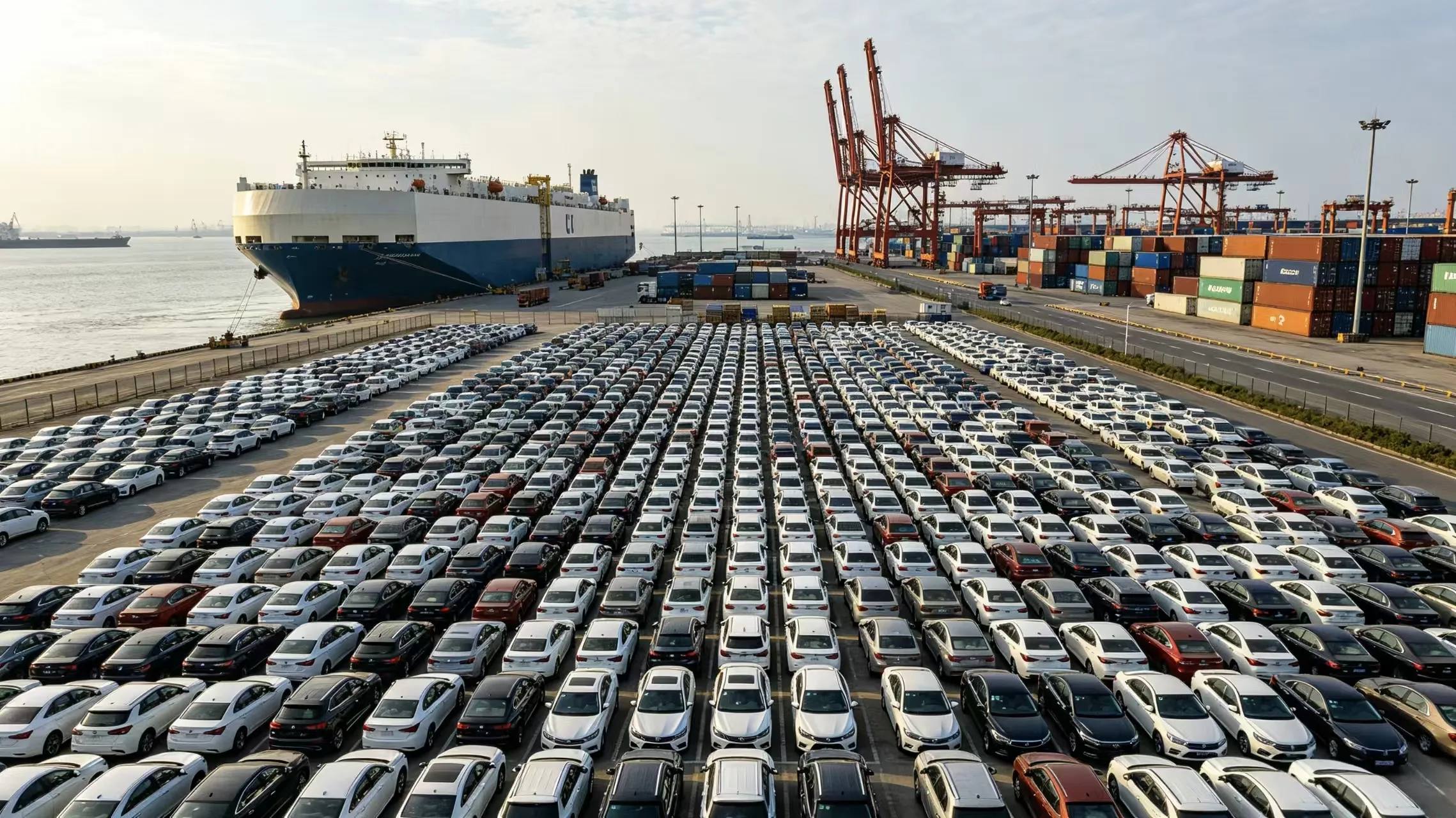
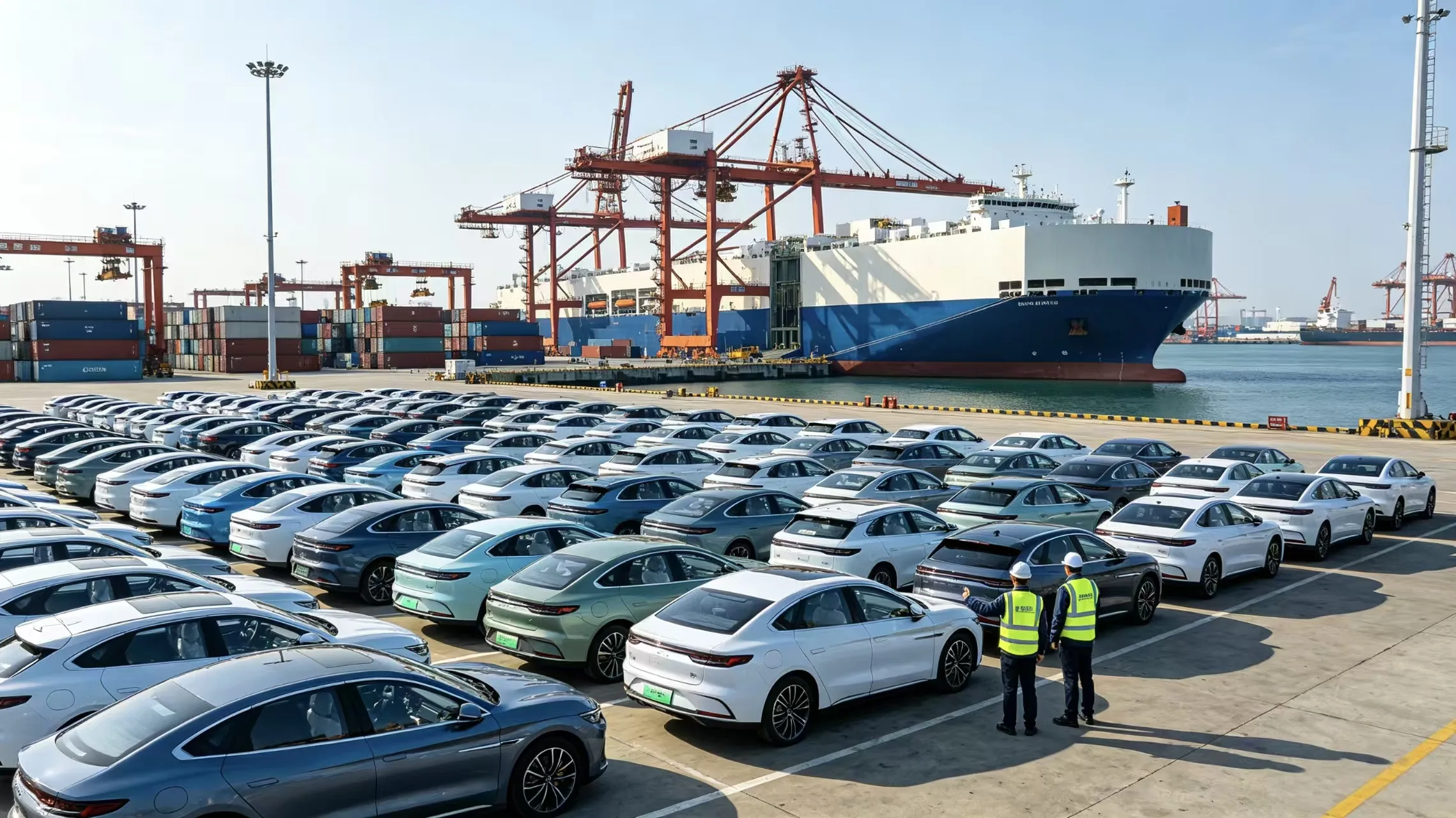
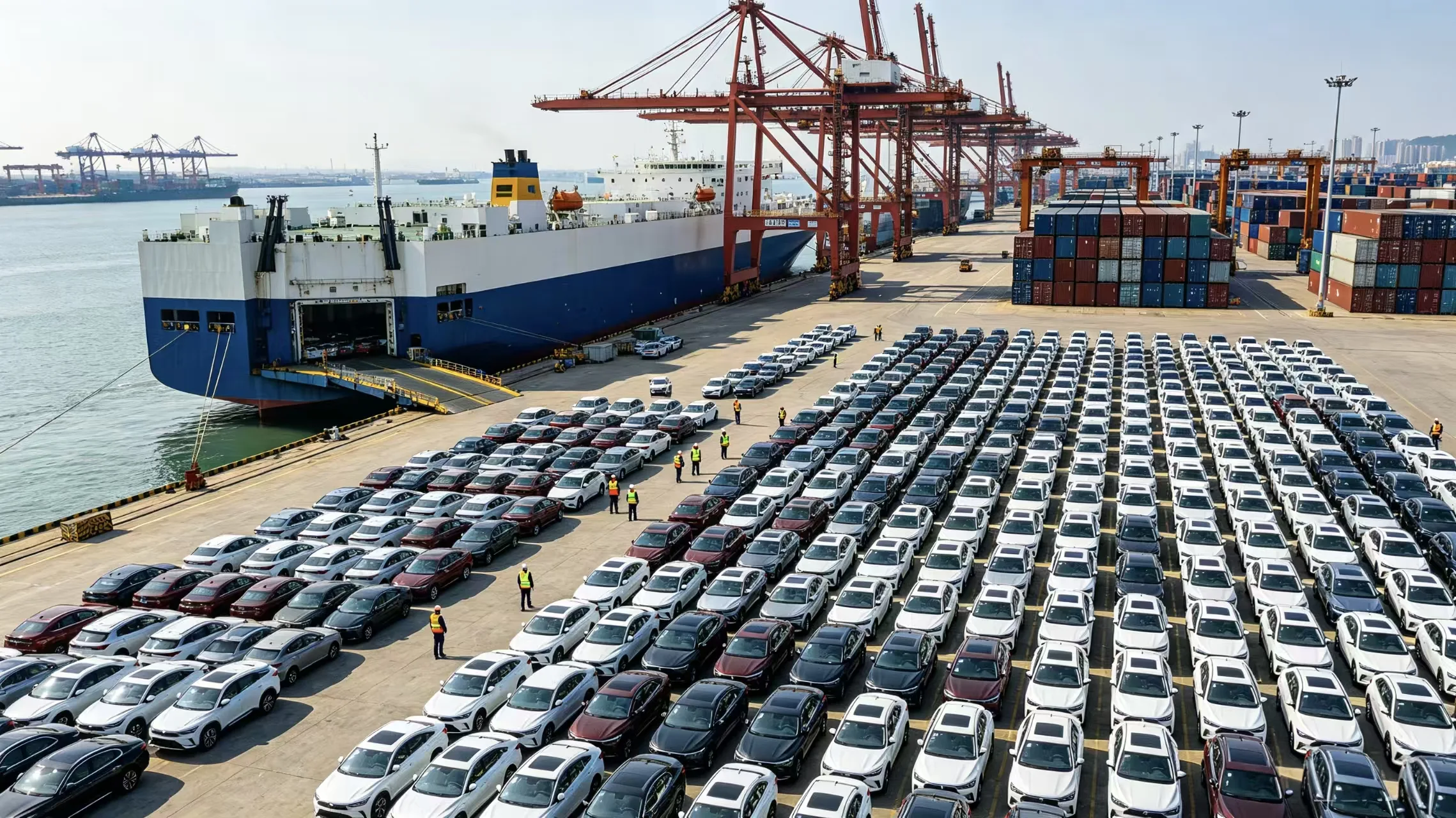
China's automotive exports have entered uncharted territory. In July 2026 alone, the country exported 1.043 million vehicles — the second consecutive month above the one-million mark — with year-on-year growth of 81.3%. For the January-July period, exports reached 6.14 million units, up 66.8% year-on-year, putting China firmly on track to exceed 10 million vehicle exports for the full year.
Yet this extraordinary growth is unfolding against a backdrop of intensifying global headwinds. Trade barriers are rising, key markets are undergoing structural shifts, regulatory compliance demands are escalating, and competition is growing fiercer by the quarter. For Chinese automakers and export traders, the second half of 2026 represents a critical inflection point — one that demands both vigilance in navigating risks and agility in seizing opportunities.
Industry Context: "The more prosperous we are, the more we must stay sober." This sentiment, widely cited in Chinese automotive circles, captures the mood of an industry that has achieved historic scale while confronting an increasingly complex global environment.
⚠️ 2. Challenge One: Escalating Global Trade Barriers
The most visible challenge facing China's automotive exports is the rapid proliferation of trade barriers across both developed and emerging markets.
Europe: From Countervailing Duties to Expanding Scope
Europe remains the most complex regulatory environment for Chinese vehicle exports:
- BEV Countervailing Duties: Since October 2024, the EU has imposed company-specific countervailing duties of up to 35.3% on Chinese battery electric vehicles, stacked on top of the standard 10% import duty — bringing the combined tax burden for some manufacturers to 45.3%.
- PHEV Expansion Risk: In July 2026, reports emerged that the European Commission plans to extend countervailing duty measures from pure electric vehicles (BEVs) to plug-in hybrid electric vehicles (PHEVs). While the final tariff range for PHEVs is anticipated to be lower than the maximum 45.3% levied on BEVs, it would still represent a significant new barrier.
- Price Commitment Mechanism: In 2026, the EU introduced a "price commitment" framework allowing Chinese automakers to avoid countervailing tariffs by setting EU-approved minimum prices — but this mechanism effectively caps pricing flexibility and compresses margins.
- Industrial Accelerator Act (IAA): The EU's flagship IAA mandates stringent "Made in EU" requirements for public procurement and introduces rigorous restrictions on foreign direct investment in strategic sectors — a structural shift toward protectionism.
- Tire Anti-Dumping: In July 2026, the EU imposed anti-dumping duties of 4.3% to 45.3% on Chinese passenger vehicle and light truck tires — extending trade pressure beyond complete vehicles to critical components.
United States: A Near-Total Tariff Wall
The U.S. market has become effectively inaccessible for direct Chinese vehicle exports:
- In April 2026, the White House announced a 100% ad valorem tariff on all China-origin automotive products, effective April 15 — covering gasoline vehicles, pure EVs, hybrids, and commercial vehicles, with complete vehicles and core components subject to the same rate.
- Connected-vehicle rules create additional obstacles for cars using certain Chinese hardware or software.
- The U.S. market has largely blocked direct imports of Chinese passenger electric vehicles through this combination of high tariffs and regulatory restrictions.
Emerging Markets: Rising Tariffs Across the Global South
Trade protectionism is not limited to developed economies:
- Brazil: Effective July 1, 2026, Brazil raised complete vehicle tariffs to 35%.
- Mexico: Tariffs on Chinese vehicles have been raised to 50%.
- Turkey: Customs and tariff barriers have significantly impacted Chinese brand sales. In the first half of 2026, Chinese brand sales in the Turkish market fell 39.6% year-on-year to 28,602 units.
Strategic Implication: The global tariff landscape is forcing a fundamental shift — from "product export" (shipping complete vehicles from China) to "capacity export" (local manufacturing, KD assembly, and joint ventures in destination markets).
🇷🇺 3. Challenge Two: Structural Shifts in Key Markets
Several of China's most important export markets are undergoing structural transformations that require adaptive strategies.
Russia: From CBU to KD Assembly
Russia, long China's single largest export destination, is experiencing a decisive shift:
- Scrappage Tax Increase: Since October 2025, Russia's scrappage tax has risen 70-85%, severely eroding the cost advantage of Chinese vehicles.
- Combined Tax Burden: Combined import tariffs push some models' total tax burden past 50%.
- Local Assembly Policy: Russia is actively pushing local assembly, making KD (knock-down) kit imports the new threshold for market access.
- Export Form Shift: In January-April 2026, China's complete built-up (CBU) vehicle exports to Russia fell 28% year-on-year, while KD kit exports rose 45% — a clear structural shift from finished vehicle exports to component-based local assembly.
Market Diversification Imperative
The changing dynamics in Russia and other traditional markets are accelerating the need for market diversification. Exporters increasingly must balance reliance on any single market and build presence across multiple regions to mitigate concentration risk.
📋 4. Challenge Three: Compliance, Green Barriers, and Regulatory Complexity
Beyond tariffs, a growing web of regulatory and compliance requirements is adding complexity and cost to automotive exports.
EU Green and Digital Regulations
The EU is deploying a sophisticated array of product-level market access mechanisms:
- CBAM (Carbon Border Adjustment Mechanism): Entered its paid formal phase on January 1, 2026. While CBAM does not yet directly cover complete vehicles, its extension to batteries, components, and steel/aluminum materials creates a full-chain compliance challenge.
- Battery Passport: Mandatory application scheduled for February 2027, requiring detailed carbon footprint, material sourcing, and recycling information for every battery sold in the EU.
- Forced Labor Regulation: Expected to take effect in December 2027, prohibiting products made with forced labor from entering the EU market.
- Digital Product Passport: A forthcoming requirement for digital traceability of products throughout their lifecycle.
- ESG Standards: International ESG criteria are increasingly factored into procurement decisions and market access requirements.
China's Own Export Regulations
China has also tightened export regulations to ensure orderly and compliant growth:
- EV Export Licensing: Effective January 1, 2026, the Ministry of Commerce implemented a mandatory export licensing framework for all electric vehicle exports, restricting license applications to accredited manufacturers and authorized dealers.
- Used Car Export Rules: The 180-day registration rule requires vehicles exported within 180 days of registration to provide manufacturer-issued after-sales service confirmation documents.
- Modified Vehicle Scrutiny: Modified vehicle exports require authenticity documentation and must be listed in MIIT's vehicle product catalog with mandatory certification.
The Compliance Cost Burden
For smaller export traders in particular, the escalating compliance burden — spanning carbon footprint calculation, battery documentation, ESG reporting, and destination market certification — represents a significant operational challenge that requires systematic investment in compliance infrastructure.
🚢 5. Challenge Four: Logistics Capacity and After-Sales Infrastructure
Two operational challenges continue to constrain export growth: shipping capacity and after-sales support.
Shipping and Logistics Pressure
- The surge in export volumes has driven up ocean freight rates. Large car carrier annual charter rates have risen significantly amid tight ro-ro vessel capacity.
- While Chinese automakers like BYD have invested in self-built ro-ro fleets (8 vessels with 1M+ annual capacity), smaller exporters remain dependent on third-party shipping and face capacity constraints and cost volatility.
- New energy vehicle exports require dangerous goods-compliant freight forwarders and specialized handling, adding logistical complexity.
After-Sales Network Gaps
- Despite progress, overseas after-sales service networks remain unevenly distributed, particularly in emerging markets.
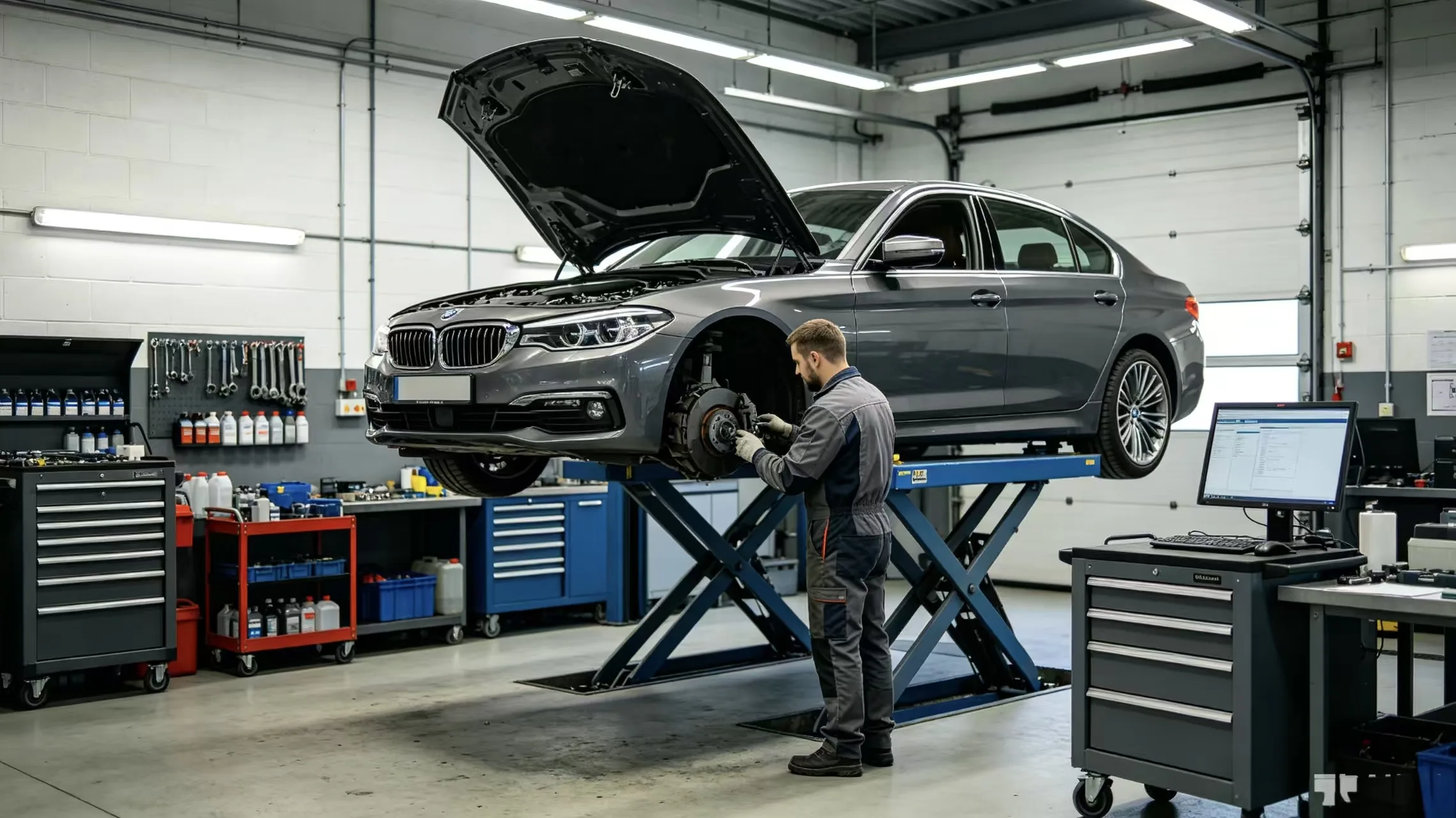
- Parts supply chains, technician training, and warranty claim processes require continued investment to match the scale of vehicle exports.
- Local service ecosystem gaps in markets like Southeast Asia continue to create "warranty anxiety" among consumers.
🌍 6. Opportunity One: Emerging Markets Offer Vast Untapped Potential
Amid the challenges, significant opportunities remain — particularly in fast-growing emerging markets.
Diversified Market Growth
- In June 2026, China's exports to South Korea, India, Russia, ASEAN, Latin America, and Africa all exceeded the overall export growth rate.
- ASEAN markets benefit from favorable trade agreements and geographic proximity.
- Latin America, despite tariff increases in Brazil and Mexico, offers opportunities in markets like Peru, Chile, Paraguay, and Bolivia with growing middle classes and limited local manufacturing.
- Africa represents substantial long-term potential: China's used car market share in Africa rose from 1.2% in 2020 to 3.8% in 2024, with significant room for further growth. Kenya's electric bus adoption and Angola's low-tariff policies represent specific forward-looking opportunities.
- The Middle East, particularly Saudi Arabia and the UAE, continues to show strong year-on-year growth driven by robust consumer demand.
The Russia-KD Opportunity
While CBU exports to Russia have declined, the shift to KD assembly creates new opportunities for component exporters, joint venture partners, and technology licensing — a different but still substantial business model.
⚡ 7. Opportunity Two: New Energy Vehicles Lead the Global Transition
New energy vehicles remain the most powerful growth engine for China's automotive exports.
- In July 2026, NEV exports reached 553,000 units, up 145.5% year-on-year, accounting for 53% of total vehicle exports — the second consecutive month above 50%.
- Despite EU tariffs, Chinese EV sales in Western Europe hit fresh highs, with 171,800 EVs sold and market share increasing by 5.0 percentage points year-on-year.
- The UK, which has declined to follow the EU's tariff lead, remains the largest European market for Chinese cars.
- Global energy transition trends, tightening emissions regulations, and growing consumer acceptance of EVs continue to expand the total addressable market for Chinese new energy vehicles.
- Chinese NEVs offer industry-leading range, intelligent features, and smart cockpit experiences at price points traditional automakers cannot match — creating compelling value propositions that tariff barriers can dampen but not eliminate.
🏭 8. Opportunity Three: Capacity Export and Localization as the New Growth Model
The shift from product export to capacity export — accelerated by tariff pressures — represents both a strategic necessity and a significant opportunity.
- Overseas Manufacturing: Chinese automakers are accelerating factory construction in Hungary, Thailand, Brazil, Russia, Spain, Malaysia, and beyond — creating local jobs, navigating tariff barriers, and deepening market integration.
- KD Assembly Growth: The rise of KD kit exports (up 45% to Russia in early 2026) creates opportunities for component suppliers, logistics providers, and assembly technology partners.
- Supply Chain Co-Location: Core component suppliers are following vehicle manufacturers overseas, establishing regional parts warehouses and local production — creating a more resilient and cost-effective supply ecosystem.
- Joint Ventures and Partnerships: Collaborations like Leapmotor-Stellantis in Spain and Geely's integration of Volvo, Lotus, and other European assets demonstrate how partnerships can provide market access, brand credibility, and manufacturing footprint.
🎯 9. Navigating the Path Forward: Strategic Priorities for H2 2026
For Chinese automakers and export traders, successfully navigating the second half of 2026 requires focused strategic priorities:
Market Diversification: Reduce concentration risk by expanding presence across multiple regions — balancing traditional markets with emerging opportunities in ASEAN, Africa, the Middle East, and Latin America.
Localization Acceleration: Accelerate the transition from CBU exports to KD assembly and local manufacturing in key markets to navigate tariff barriers and build deeper market roots.
Compliance Infrastructure Investment: Build systematic capabilities for carbon footprint calculation, battery documentation, ESG reporting, and destination market certification — treating compliance as a competitive enabler rather than merely a cost center.
After-Sales Ecosystem Building: Continue investing in overseas parts warehouses, technician training programs, service network expansion, and digital service tools to match the scale of vehicle exports with quality support.
Value-Upgrade Strategy: Leverage the "volume-price dual rise" trend by moving toward higher-value products, stronger brand positioning, and differentiated intelligent features that can sustain margins even in tariff-affected markets.
Partnership and Collaboration: Pursue joint ventures, technology licensing, and local partnerships that provide market access, regulatory navigation, and brand credibility — particularly in highly protected markets.
🚀 10. Conclusion: Challenges as Catalysts for Evolution
The second half of 2026 presents China's automotive export sector with its most complex operating environment to date — a landscape defined by escalating tariffs, shifting market structures, tightening compliance requirements, and intensifying global competition. Yet these challenges are not merely obstacles — they are catalysts for a more mature, resilient, and globally integrated Chinese automotive industry.
The industry that emerges from this period will be less reliant on pure price advantage, more diversified across markets, more deeply localized in production and service, and more sophisticated in compliance and brand building. The historic export volumes of 2026 are not the peak of China's automotive globalization — they are the foundation upon which a more sustainable and sophisticated global presence is being built.
The Bottom Line: The path forward for China's automotive exports in H2 2026 is not about avoiding challenges — it is about evolving through them. Those who navigate the risks with agility and seize the opportunities with strategic focus will emerge as the global automotive leaders of the next decade.